Learning to Walk Again After Hip Surgery When 87 Years Old
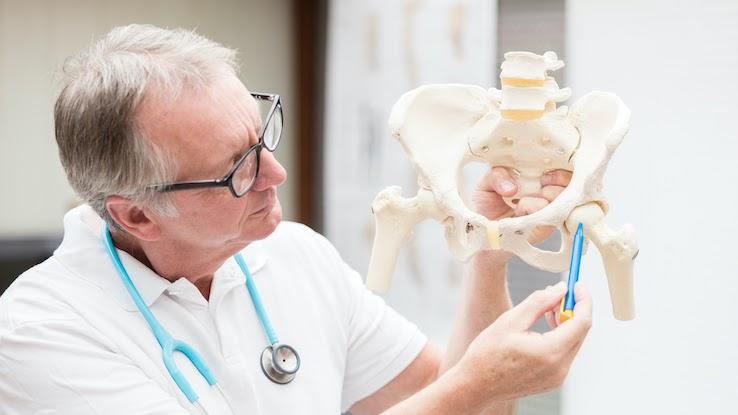
A total hip replacement, also called total hip arthroplasty, is a procedure in which a surgeon removes your hip articulation and replaces it with a prosthetic joint. Typically, the doctor makes one long incision in your hip to remove the bone and cartilage that have been damaged. In that location'due south also a less invasive version of this surgery in which the surgeon makes i or 2 smaller incisions to install the joint implant. This can result in a quicker recovery time.
In the United states of america, surgeons perform more than than 450,000 hip replacements each year. There are a few unlike reasons why your healthcare provider may recommend you for a hip replacement surgery. Arthritis of various kinds tin damage joints not just in your hip, but also in your knees and hands. Fractures or breaks can damage the joint and may cause swelling and pain. Arthrosis in your hips can also cause joints to rub together, which tin be painful long term. Acquire more about these and other conditions that often result in the need for hip replacement surgery.
Osteoarthritis
The almost common reason for hip replacement surgery is osteoarthritis, which is the nearly common type of arthritis. This status is the consequence of cartilage breaking down around the areas where the ends of your bones meet in your joints. When the cartilage starts to atomize, the bones of your articulation start to rub together, causing pain and swelling.
If y'all have osteoarthritis in your hip, over time, your hip bones may starting time growing to replace the lost cartilage. These growths are known as os spurs, or osteophytes, and they likewise crusade stiffness and pain. Hip replacement surgery is an selection that relieves hurting and stiffness associated with osteoarthritis.
Some symptoms of osteoarthritis include:
- Hurting
- Swelling
- Loss of flexibility
- Formation of spurs
- Inability to motility the joint
- Popping or cracking noises when moving your hip
Damaged Hip Joint
Injuries, fractures and bone tumors can cause damage to your hip joint. Surgery is the most constructive method of repairing this type of damage to a hip joint. There are non-invasive treatments that assistance salvage pain associated with damaged hip joints. Yet, healthcare professionals generally recommend hip replacement surgery when the pain and stiffness begin interfering with your ability to perform daily activities.
It'southward rare to experience an injury later having your initial hip replacement, but if yous get a fracture because of an accident or weakened bones, yous may need to have the prosthetic replaced. Surgery is unremarkably necessary if a fracture occurs in the basic effectually the joint following joint replacement surgery.
Rheumatoid Arthritis and Osteonecrosis
Rheumatoid arthritis is a medical condition that develops when your immune system begins attacking the membrane that lines your articulation. Rheumatoid arthritis leads to inflammation, stiffness and pain. In some cases, this medical status tin can destroy a hip joint entirely. Articulation pain and stiffness are symptoms that directly affect the hip. If your hip pain merely happens in the morning time, it's a sign of osteoarthritis.
Osteonecrosis, as well called avascular necrosis, is a medical status that tin atomic number 82 to the devastation of the bone in your hip articulation. This condition occurs when the claret supply to the os is restricted, unremarkably due to an injury. This causes the bone to dice. Y'all might not feel any pain initially, but your articulation volition gradually become more than painful over fourth dimension. You may start to feel pain in the articulation fifty-fifty when y'all aren't moving. Osteoarthritis can likewise occur due to this status.
Both of these conditions are severe and require hip replacement surgery.
What Are the Risks of Hip Replacement Surgery?
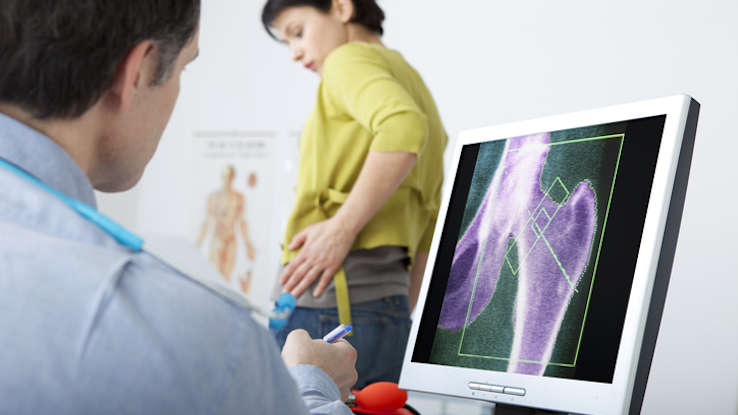
Serious complications happen in fewer than 2% of hip replacements. But, there are withal some risks to consider. Infection and blood clots are the nearly common risks with a hip replacement, merely your doctor will talk over prevention methods with you earlier surgery. There'south likewise the possibility of leg length inequality, meaning that 1 of your legs may be shorter or longer than the other later surgery. Nerve and blood vessel damage around your hip area is too possible.
The purpose of hip replacement surgery is to remove diseased or damaged areas of your hip joint. This process replaces parts of your hip articulation with bogus parts. Hip replacement surgery can enhance your ability to move, relieve pain and improve walking. The surgery can also help reduce the effects of osteoarthritis and damage equally a result of injuries or fractures.
Resource Links
"Total Hip Replacement," OrthoInfo
"Minimally Invasive Full Hip Replacement," OrthoInfo
"Osteoarthritis," National Institute of Arthritis and Musculoskeletal and Skin Diseases
"Symptoms of Rheumatoid Arthritis," NHS
"Fracture After Total Hip Replacement," OrthoInfo
"Osteonecrosis," National Plant of Arthritis and Musculoskeletal and Pare Diseases
Source: https://www.symptomfind.com/healthy-living/hip-replacement-surgery-common-causes?utm_content=params%3Ao%3D740013%26ad%3DdirN%26qo%3DserpIndex
0 Response to "Learning to Walk Again After Hip Surgery When 87 Years Old"
Post a Comment